
Choosing the best smart detector for college application essays is less about chasing a bold promise and more about finding a fair, careful way to review a personal statement. Students, parents, and counselors usually want the same thing: a method to spot possible concerns before submission without flattening an authentic voice or exposing private information. The most useful way to compare tools is to focus on accuracy, privacy, reporting clarity, and how often they flag original writing by mistake. If your draft still needs work before any final check, start with how to revise your personal statement.
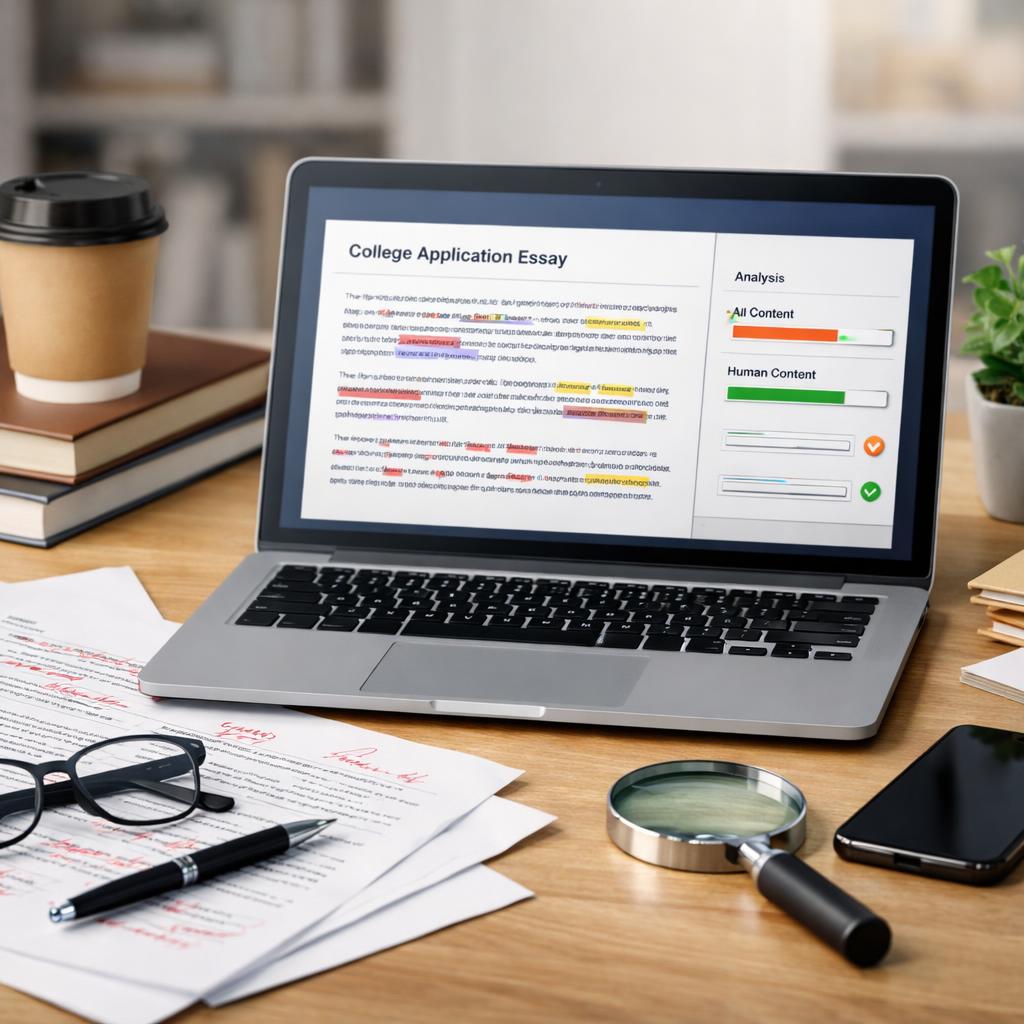
For college applications, context matters. Personal statements are often polished, thoughtfully structured, and revised several times, which can confuse an essay detector. That is why any comparison should stay practical. Look at how a tool handles real student drafts, ask what happens to uploaded text, and treat every result as one signal rather than a final judgment. A detector can support a review process, but it should never replace your own judgment, a counselor, or a trusted admissions editor.
What Makes an Essay Detector Worth Using for College Applications
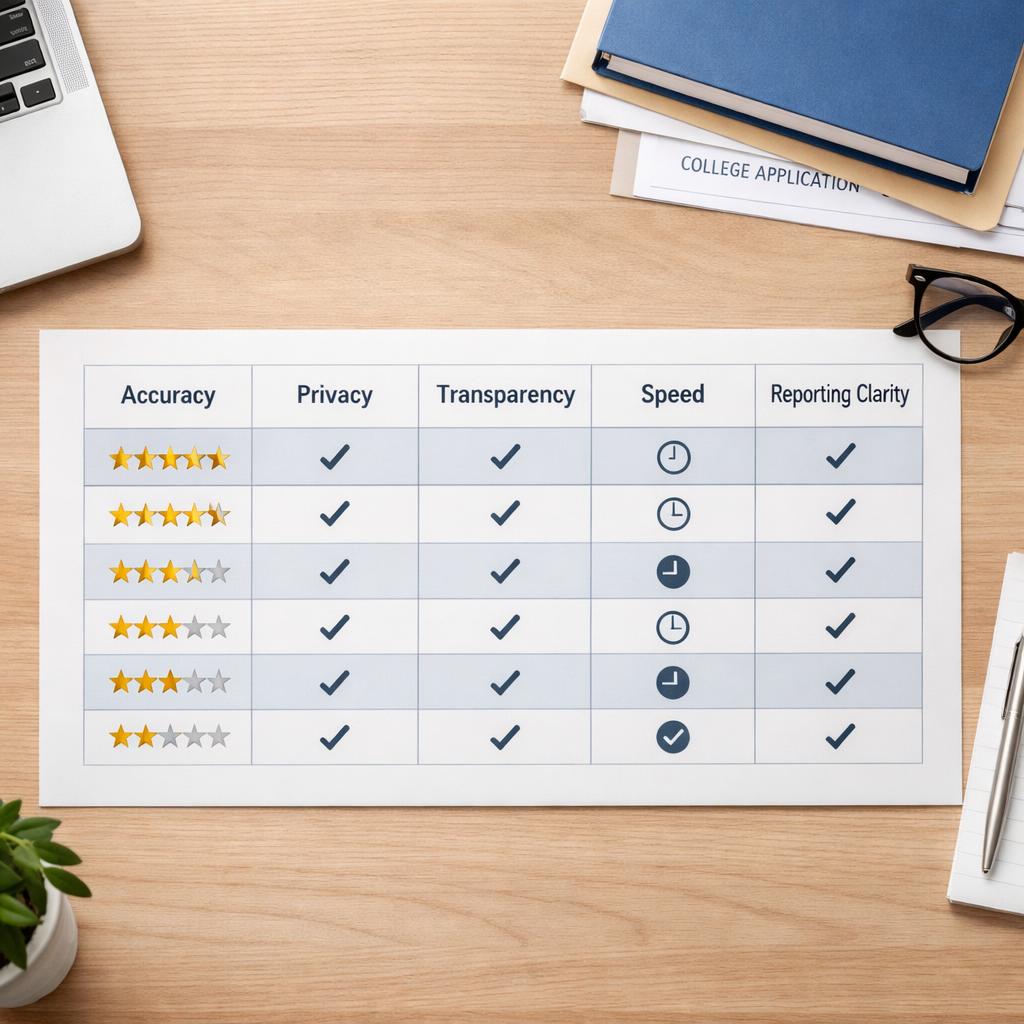
A useful option comes down to four basics: accuracy, privacy, transparency, and false-positive control. Accuracy matters because students need feedback they can act on, not vague percentages that create stress. Privacy matters because application essays often include sensitive details about family, identity, health, or academic history. Transparency matters because a detector should explain what its score means, what it does not mean, and whether uploaded text is stored or reused. False-positive control matters because a strong original essay can still be flagged, especially if it has gone through several rounds of careful revision.
Key criteria: accuracy, privacy, transparency, and false positives
If you are researching essay detector accuracy for personal statements, look for consistent behavior across more than one kind of draft. A first draft, a revised paragraph, and a polished final section may all produce different results, and that difference matters. You should also review privacy concerns with college essay checker tools, including retention policies, deletion options, and whether submitted writing may be used for training or analysis. Just as important, watch for false positives in college application essay detectors. A careful tool presents findings as indicators and gives enough detail to review passages instead of forcing you to trust a single label.
- Choose tools that explain results in plain language instead of relying on unexplained confidence scores.
- Check whether uploaded essays are stored, shared, or reused after the review is complete.
- Prefer reports that highlight passages for inspection rather than asking you to accept one summary score.
How to Compare Tools Without Relying on Marketing Claims
The best way to compare options is to create a small test set from real writing. Include a rough draft, a heavily revised paragraph, and a fully original section written in the student’s natural voice. Then run those samples through each tool and compare the results side by side. This is the most practical answer to how to choose the best detector for college essays because it shows whether a system reacts reasonably to authentic student writing. If one tool flags nearly everything and another flags nothing at all, neither result is especially helpful by itself.
Test with personal drafts, revised passages, and fully original writing
Keep the process simple and consistent. Note whether the detector points to specific passages, whether scores stay similar across repeated checks, and whether normal revisions change the result in a believable way. Also ask a basic question: if a student or parent reads the report for the first time, will it make sense? After testing, it can help to review college essay mistakes to avoid before submission so you can separate genuine writing issues from tool noise. A good comparison process does more than measure performance. It shows whether a detector supports calm decisions or creates unnecessary confusion.
- Use writing from one student so the comparison stays consistent.
- Test both edited and unedited passages to see whether revision alone changes the score too sharply.
- Be skeptical of dramatic claims when the reporting method is unclear or hard to interpret.
Conclusion
Finding the best smart detector for college application essays does not mean finding a perfect checker. It means choosing a careful, neutral review method that balances accuracy, privacy, transparency, and fairness. The smartest approach is to test tools with real drafts, compare how clearly they explain results, and watch closely for false positives on authentic writing. For students, parents, and counselors, the goal is simple: reduce uncertainty without damaging voice, trust, or confidentiality.
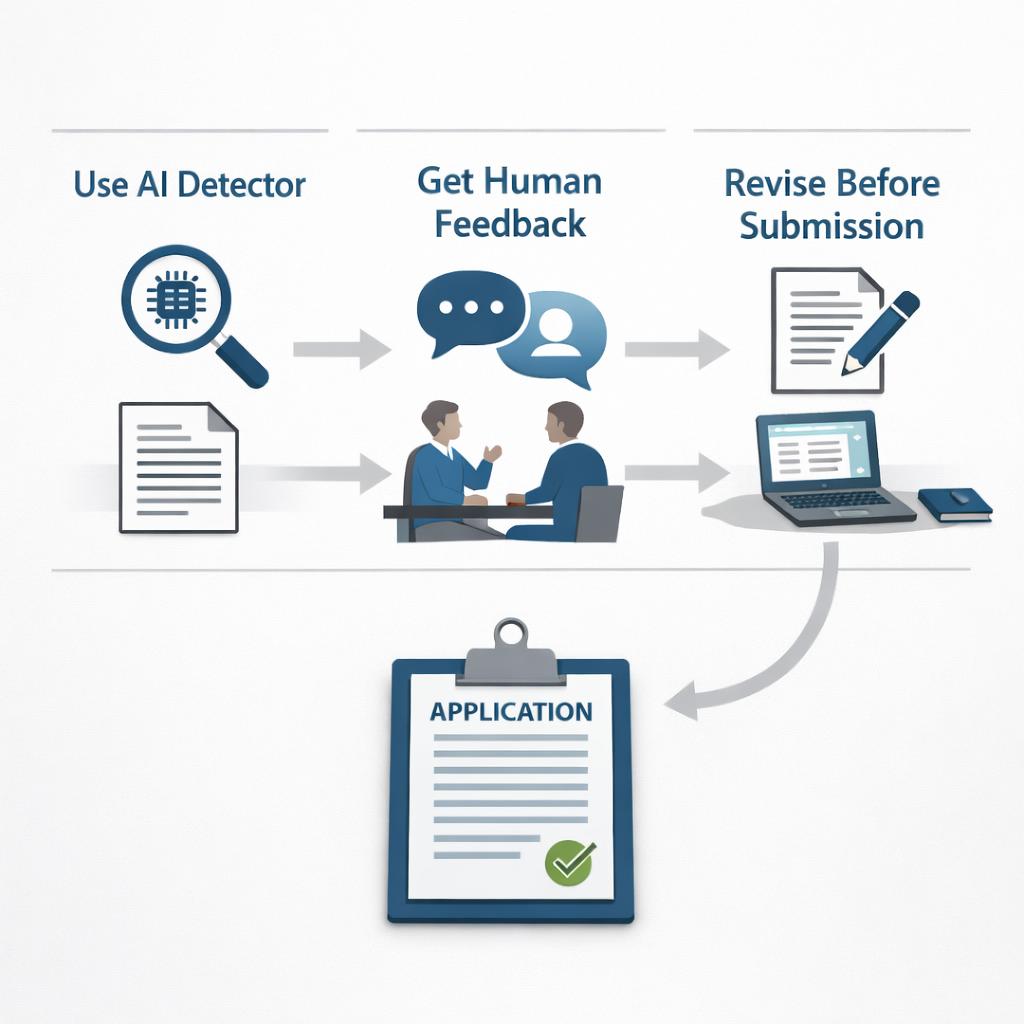
A detector is most useful as one small step in a larger review process. It can help you spot generic wording, passages that may need clarification, or sections worth a second look, but final decisions should still come from close reading and human judgment. If a tool creates more anxiety than insight, it is probably not the right fit. The best choice is the one that helps you submit a personal statement that feels specific, honest, and fully your own.
FAQ
How accurate are essay detectors for college application essays?
Accuracy varies a lot, especially with polished personal statements. These tools can provide useful signals, but they are not dependable enough to serve as proof on their own. A strong essay may be marked simply because it is well organized, carefully edited, or written in a formal style. That is why any result should be reviewed alongside close human reading.
If you are comparing options, pay attention to consistency across different draft types instead of one headline score. A reliable tool should behave reasonably on rough drafts, revised sections, and final versions without producing wild swings that are hard to explain.
Can an original college essay be flagged by mistake?
Yes. False positives are one of the biggest risks when using these tools for admissions writing. Original essays can be flagged because they use clear structure, polished transitions, or broad phrases that resemble patterns a detector treats cautiously. This is especially common when a student has revised the essay many times with help from teachers, parents, or counselors.
That does not automatically mean the essay is weak or inauthentic. It usually means the flagged section deserves a closer read to see whether the language sounds too general, too distant, or less personal than the rest of the statement.
What should I do if a detector flags my personal statement, and are privacy risks important?
Start by reading the highlighted passages carefully instead of reacting to the overall score. Revise any unclear, overly broad, or overly polished sentences in your own words, then do a limited recheck if needed. If the result still seems questionable, ask a counselor or trusted editor for feedback before making bigger changes.
Privacy also matters. College essays often include personal details, so review storage, deletion, and reuse policies before uploading anything. If a tool is vague about what happens to submitted text, it is safer not to use it with sensitive material.


